What to pack for Sarajevo in winter
What should I pack for winter in Sarajevo?
Pack technical base and mid layers, a windproof outer shell, ice-grip footwear for icy cobbles, and a filtering mask for high-pollution days. Check a live air quality index each morning, and be ready to head up to Trebević or a ski station when the valley smog is bad.
Sarajevo’s winter problem isn’t the cold
Most winter packing lists are written for cold. Sarajevo needs one written for cold and for the city’s particular geography: a valley at roughly 500 metres, hemmed in by mountains on three sides, where the Miljacka runs through a narrow bowl that traps whatever the city breathes out. The cold itself is manageable — daytime temperatures in December and January typically sit between -2°C and 6°C, with proper snow on higher ground. The harder problem, and the one most visitors don’t pack for, is air quality. For a fuller picture of what causes it and how bad it actually gets, see Sarajevo’s winter air quality — this list assumes you’ve read at least the basics.
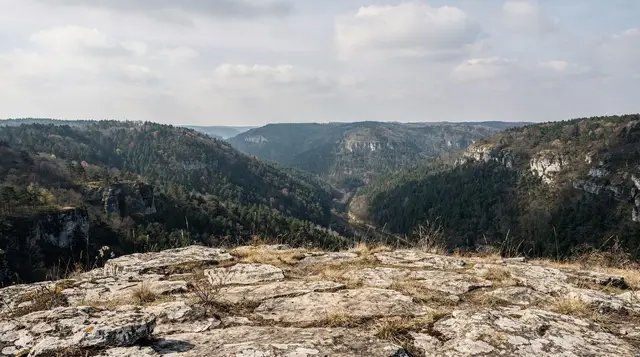
Between December and February, the same bowl shape that makes Sarajevo photogenic from Trebević also traps a temperature inversion: warmer air sits above colder air in the valley and stops it rising out. Wood smoke, coal heating, traffic and industrial emissions build up underneath instead of dispersing, and Sarajevo regularly ranks among the world’s most polluted cities on the worst days of this period. This isn’t a footnote — it changes what you should bring and how you should plan each day.
The layer system that actually works here
Skip the single heavy coat. A three-layer system copes better with a day that starts at -3°C in shadow and reaches 5°C in weak midday sun, and it lets you adjust for indoor heating, which runs hot in Sarajevo’s cafés and museums.
| Layer | What to bring | Why |
|---|---|---|
| Base | Merino wool or synthetic long-sleeve top, thermal leggings | Wicks sweat, dries fast, doesn’t hold odour on multi-day trips |
| Mid | Fleece or lightweight down jacket | Traps warmth, packs small when you go inside |
| Outer | Windproof, water-resistant shell | Blocks wind coming down from Trebević and Igman; sheds light snow and rain |
| Extras | Warm hat, gloves, wool socks, scarf or neck gaiter | Wind chill on open squares like Baščaršija’s main lane bites harder than the thermometer suggests |
Bring one genuinely warm layer more than you think you need if a mountain day is part of the plan — best time to visit Sarajevo explains how the valley and the peaks around it run several degrees apart even on the same afternoon.
The mask question: what to bring, when to wear it
A cotton scarf over the mouth filters almost nothing against fine particulate pollution — the kind that spikes during inversion episodes. If you’re visiting in December or January, pack a small supply of FFP2 or FFP3 filtering masks, the same standard used against fine dust and smoke elsewhere. You won’t need one every day; you’ll need one on the days the index turns orange or red.
That means the second thing to pack isn’t physical: it’s a habit. Check a live air quality index each morning, the same way you’d check rain forecast, and treat the reading as a real input into the day’s plan rather than background noise. On clear days, Sarajevo’s outdoor sights — Baščaršija, the walk along Ferhadija, the viewpoints above the old town — are worth the full morning. On smog days, shift outdoor time shorter, wear the mask if you’re out for more than half an hour, and consider the altitude escape described below.
Footwear: ice on cobbles is not optional gear
Baščaršija’s lanes are cobbled, and in winter they ice over and often stay iced for days, since the narrow streets and surrounding buildings block direct sun for much of the day. The sloped streets running up from Ferhadija toward the hillside neighbourhoods are worse — packed snow turns to sheet ice on a gradient. Regular city shoes, even winter-rated ones without real tread, are a genuine fall risk here.
Bring boots with a deep, non-marking grip sole rated for ice, not just snow. If you already own hiking boots without much tread, pack slip-on ice grips (microspikes) — they weigh almost nothing and make the difference on the steeper lanes near Yellow Fortress and the climbs above the cemetery terraces. If a walking day through the old town and its traditional neighbourhoods is on the itinerary, a guided option like the Sarajevo mahala neighbourhoods walk covers exactly this terrain, so grip matters more than usual.
Electronics and staying connected
Bosnia and Herzegovina runs on type C and F plugs, 230V/50Hz — standard for continental Europe, but UK, Irish, North American, Australian and most Asian visitors need an adapter. Pack one plug adapter per device you’ll charge simultaneously; multi-port USB chargers reduce how many you need. For getting online, SIM cards and internet in Bosnia covers local prepaid options, which are worth having if you plan to check the air quality index throughout the day rather than relying on hotel wifi.
A portable battery pack is worth the extra weight in winter — cold reduces phone battery life noticeably, and you’ll be checking maps, transit apps and air quality readings more than usual.
The altitude escape: Trebević and the ski stations
The single most useful winter habit in Sarajevo is simple: when the valley air turns bad, go up. The inversion layer that traps smog in the city bowl has a rough ceiling, and above it the air is often genuinely clear, even blue-sky, while the valley below sits under visible grey haze.
The Trebević cable car is the fastest way to test this — about nine minutes from Bistrik to 1,164 metres, round trip around 20 KM (roughly 10 EUR). On a bad smog day the ride itself becomes a demonstration: you can watch the haze thin out and disappear as the cabin climbs.
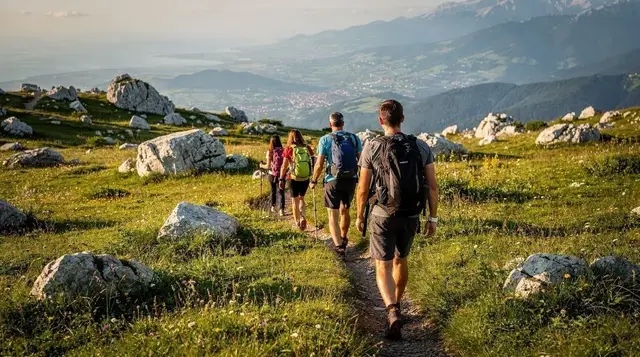
At the top, the old Trebević bobsleigh track from the 1984 Winter Olympics is worth the walk, covered in graffiti and left as it was — see the Trebević cable car and bobsleigh track visit for a guided version that adds context to the ruins. For a more active version above the smog line, a winter snowshoeing outing on Trebević gets you further into the forest above the ridge, which is where the clean-air effect is most obvious.
Jahorina and Bjelašnica, roughly 45 minutes from the city, work the same way and add skiing. Both sit well above the inversion layer on most days. If skiing isn’t the goal, a guided outing such as the Jahorina guided eco walk is a lower-effort way to spend a day above the smog rather than in it. Skiing near Sarajevo and Jahorina vs Bjelašnica cover which mountain suits which trip.
Ski gear: what to pack, what to rent
Skis, boots, poles, and often outer ski jackets and salopettes rent cheaply and reliably at both Jahorina and Bjelašnica — there’s little reason to fly with bulky equipment unless you’re particular about your own boots. What’s worth packing:
- Base and mid layers (the same ones used for city walking)
- Warm gloves or mittens rated for snow sport, not just city cold
- A ski hat or helmet liner
- Goggles — rental goggles are inconsistent and often scratched
- Sunscreen and lip balm — reflected sun at altitude burns faster than valley sun suggests
Ski passes and prices in Bosnia and ski rental and lessons in Sarajevo have current costs; both mountains are inexpensive by Alpine standards, which is part of why a ski day works even as a spontaneous add-on to a city trip.
A short packing checklist
| Category | Bring |
|---|---|
| Layers | Base layer, fleece or light down, windproof shell, warm hat, gloves, wool socks |
| Footwear | Grip-sole winter boots or ice grips (microspikes) for existing hiking boots |
| Air quality | FFP2/FFP3 masks, air quality index app installed before arrival |
| Electronics | Type C/F plug adapter, portable battery pack, local SIM if needed |
| Ski days (optional) | Own gloves, goggles, base layers — rent skis, boots and outer shell locally |
| Documents | Passport (Bosnia is outside Schengen and the EU), any accommodation registration confirmation |
When to just plan around it
If the index reads red on arrival morning, don’t force a full day of walking tours through Baščaršija and along Sniper Alley. Shift that day’s plan toward indoor sights — the National Museum, Vijećnica, the War Childhood Museum — and save outdoor walking for a clearer day, or head straight up to Trebević or the ski mountains where the reading is usually better.
Sarajevo in winter and a longer stay plan like Sarajevo winter, four days both build this flexibility in rather than fighting the smog on a fixed schedule. None of this makes a winter trip not worth it — it just means the packing list has to include a plan, not only clothes.
FAQ: winter packing for Sarajevo
Why is Sarajevo’s winter air quality so bad?
Sarajevo sits at around 500 metres in a narrow valley surrounded by mountains on three sides. In December and January, cold air gets trapped under warmer air above it — a temperature inversion — and can’t rise out of the valley. Wood and coal heating smoke, traffic fumes and industrial emissions build up underneath it instead of dispersing, and the city regularly appears near the top of global air quality rankings during these weeks.
How do I check the air quality before heading out?
Check an air quality index app or website each morning before you plan the day — the same way you’d check the weather. On days marked orange, red or worse, treat it as a smog day: shorten time outdoors in the valley, wear a filtering mask if you’re out for long, and consider a trip up to Trebević or one of the ski mountains, where the air above the inversion layer is often genuinely clear.
What clothing actually works against both cold and smog?
A three-layer system: a moisture-wicking base layer, an insulating mid layer (fleece or light down), and a windproof, water-resistant outer shell. This handles the cold reliably. For smog days, add an FFP2 or FFP3 filtering mask rather than a cotton scarf, which filters almost nothing against fine particulates.
Do I need special shoes for Baščaršija in winter?
Yes. The cobbled lanes of Baščaršija and the sloped streets above Ferhadija ice over and stay icy for days at a time, since sun rarely reaches them in the valley’s grey winter light. Bring boots with a genuine grip sole, or pack slip-on ice grips (microspikes) if you already own hiking boots.
Is it worth going up to Trebević or the ski resorts just for cleaner air?
Often, yes. The cable car to Trebević takes about nine minutes from Bistrik and frequently rises straight out of the smog layer into clear sun above the valley — visitors sometimes photograph the grey lid of pollution sitting below the viewpoint. Jahorina and Bjelašnica, both under an hour from the city, work the same way and add skiing to the trip.
What electrical adapter do I need?
Bosnia and Herzegovina uses type C and F sockets at 230V/50Hz, the same standard as most of continental Europe. UK and North American visitors need a plug adapter; voltage converters are not usually necessary for phone and laptop chargers.
Is winter still worth visiting despite the pollution?
It can be, if you plan around it. Snow on the surrounding mountains, skiing 45 minutes from the city centre, and a much quieter Baščaršija are genuine winter advantages. The trade-off is real air quality risk on inversion days, particularly for anyone with asthma or respiratory conditions — check the index daily and build flexibility into the itinerary rather than fixed outdoor plans.
What ski gear should I bring vs rent?
Bring your own base layers, gloves, goggles and a warm hat — these pack small and fit better than rentals. Skis, boots, poles and often outer ski jackets or salopettes are easy and inexpensive to rent at Jahorina or Bjelašnica, so there’s little reason to fly with bulky ski equipment.
Skiing & winter sports experiences on GetYourGuide
Verified deep-linked GetYourGuide tours. Book through these links and we earn a small commission at no cost to you.
GetYourGuide does not provide a product photo for this activity — the image shows the meeting point, photographed by us.