Rafting the Neretva from Konjic
Is rafting the Neretva from Konjic suitable for beginners?
Yes. The stretch run from Konjic is Class II-III, graded as beginner and family-friendly, and most operators take children from around eight to twelve years old depending on water level. The season runs May to September, with faster, more technical water in May and June and calmer, warmer conditions by August.
Why Konjic, not Mostar
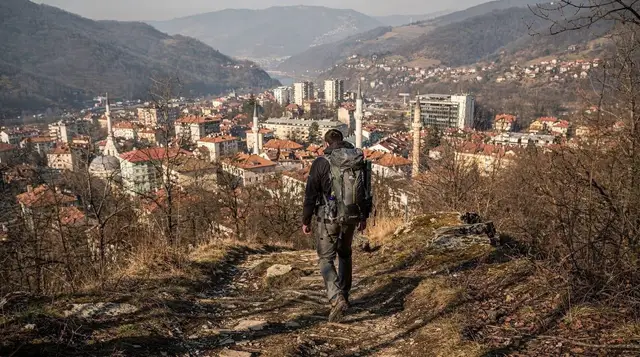
The Neretva is often filed under “Mostar”, but the rafting itself does not happen there. Commercial trips put in near Konjic, a small town about 60km and roughly an hour’s drive from Sarajevo on the road toward Mostar, where the river narrows into a proper canyon before it widens out further south.
The put-in sits close to Konjic’s Ottoman stone bridge, first built in 1682 and rebuilt after wartime damage in 2009, which is worth a look before or after your trip rather than a reason to visit on its own. Konjic is also where the Yugoslav-era Tito’s bunker is dug into the hillside; it is not part of a standard rafting trip and this guide will not detail it, but the two make a sensible pairing if you have a full day rather than half of one.
Compared with basing a rafting trip out of Mostar, starting from Konjic cuts out extra driving time on both ends and puts you on the river closer to where the rapids are actually graded, rather than on the calmer water further downstream near the city.
What the river is actually like
Below Konjic, the Neretva is graded Class II-III on the international scale: continuous, readable rapids with a handful of sharper drops, wide enough that mistakes are forgiving, and cold enough that nobody forgets they are on a glacier-fed river. It sits at the accessible end of Bosnian rafting rather than the technical end. Guides run a safety briefing and a short practice session on flat water before the group sets off, and every raft carries a qualified guide steering from the back.
That accessibility is the point of this stretch. It is graded for first-timers, sold as a family activity, and does not assume any prior time on a river. It is not a watered-down version of something more serious happening elsewhere on the same river — it is simply a gentler river than the alternatives covered further down this page.
Season and water levels, month by month
Flow on the Neretva comes largely from snowmelt in the surrounding mountains, so the character of the trip changes noticeably across the season.
| Period | Water level | What to expect |
|---|---|---|
| May–early June | High, cold | Fastest, most sporting water of the season; coldest temperatures |
| Mid-June–July | Moderate-high | Still lively, warmer air, popular with active groups |
| August | Lower, warmer | Gentler current, best for families and nervous first-timers |
| September | Lowest | Shorter operating window; some operators stop trips by month’s end |
If the goal is the most exciting ride the Neretva offers, book for May or early June. If the goal is a relaxed half-day with children, August is the better call. Either way, the water itself stays cold; air temperature in the canyon does not change that.
How a half-day trip runs
Most operators follow the same shape. Transport picks up in central Sarajevo in the morning, the drive to Konjic takes around an hour, and the group changes into wetsuits, helmets and life jackets at the put-in near the Ottoman bridge. The rafting section itself typically runs one and a half to two hours on the water, followed by lunch — often included in the price — before the return drive to Sarajevo. A full day out, door to door, usually runs six to eight hours depending on how long lunch takes and how much time is spent at the bridge beforehand.
a day trip that includes return transport from Sarajevo, the rafting section on the Neretva, and a meal covers this whole loop without needing your own transport. For visitors already staying closer to the put-in, a half-day rafting trip departing directly from Konjic with lunch and full equipment included skips the Sarajevo pickup and drop-off. A version that swaps the sit-down lunch for a riverside barbecue after the rafting section is also worth checking if that sounds like the better way to end the morning.
Getting to Konjic from Sarajevo
| Option | Time | Notes |
|---|---|---|
| Included transport (rafting trip) | ~1 hour each way | Simplest option; no logistics to arrange |
| Own car | ~1 hour | Motorway most of the way; parking near Konjic is straightforward |
| Bus | ~1 hour | Regular services from Sarajevo’s main bus station toward Mostar stop in Konjic |
Independent travel is easy enough that booking transport is a convenience rather than a necessity, but bringing wet gear back on a public bus is less pleasant than being collected by a trip operator who expects it.
The Ottoman bridge and Tito’s bunker
The put-in for most trips is a short walk from Konjic’s 1682 stone bridge over the Neretva, rebuilt after wartime destruction and reopened in 2009 — a quieter, far less visited counterpart to the Stari Most in Mostar. It is worth ten minutes before your trip starts or after it ends, not a detour in its own right.
Konjic is also home to Tito’s underground bunker complex, dug into the hillside from 1953 to 1979 and now open to the public as a mix of Cold War history and contemporary art. It sits close enough to the rafting put-in that combining the two in a single day from Sarajevo is realistic, but they are sold and run separately, and this guide will not go further into the bunker itself — see the dedicated guide for opening arrangements and what the visit actually covers.
How the Neretva compares with the Una and the Tara
Bosnia and Herzegovina has three rivers with an established rafting scene, and they are not interchangeable in difficulty. Framed against the other two, the Neretva is deliberately the easy option.
| River | Put-in | Grade | Best suited to |
|---|---|---|---|
| Neretva | Konjic | Class II-III | Beginners, families, first-time rafters |
| Una | Near Bihać | Class III-IV in places | Rafters with some prior experience wanting more current |
| Tara | Near Foča | Class III-IV, deep canyon | Experienced groups; the most committing of the three |
If the Neretva feels comfortable and you want something more demanding on a later trip, the Una near Bihać or the Tara from Foča are the honest next steps, both covered in separate guides. Neither is a good choice for a first rafting trip with young children; the Neretva is.
What to bring, and what to expect
Wetsuits, helmets and life jackets are standard kit provided by every operator on this stretch, so you do not need your own gear. What is worth bringing yourself:
- A full change of clothes, including shoes — you will get properly wet, not just splashed.
- A towel, unless your operator confirms one is provided.
- Old trainers or sandals with a back strap rather than flip-flops, since some trips involve wading at the put-in or take-out.
- Sun protection for the exposed sections of river, even though the water itself is cold.
- Cash for anything not included in your package, since card machines are not reliable this far from central Sarajevo.
In July and August, book at least a day ahead; in the peak weeks around the Sarajevo Film Festival, same-day availability on popular departure times can disappear. Outside high season, booking the day before is usually enough. Whatever the month, the water itself does not warm up much — plan for cold hands and a warm, dry change of clothes waiting in the van rather than expecting a summer swim.
Nearby, on the same trip
Konjic sits within easy reach of a few other stops that pair naturally with a day on the river. Boračko Lake, a glacial lake a short drive further into the hills, is a common add-on for operators or a good independent stop if you have your own transport — see the separate guide to the lake for access details. For a broader look at how to structure a full day around Konjic beyond just the river, the Konjic day trip guide and the wider list of best day trips from Sarajevo cover the logistics in more depth.
If Mostar is also on your itinerary, the Mostar day trip guide and notes on getting from Sarajevo to Mostar explain how to combine the two without doubling back on the same road. Travellers building a longer, activity-focused loop rather than a single day out may prefer the structure in the Bosnia nature week itinerary, which sequences rafting alongside hiking and the national parks.
For those weighing up all three rivers before committing to one, the rafting season and safety guide for Bosnia and the dedicated write-up of the Una National Park fill in what this page deliberately leaves out. And if a version of this trip departing from Mostar rather than Sarajevo suits your route better, or you are already based in Mostar and want a shorter city-adjacent rafting stretch without the drive out to Konjic, both options exist and run on the same stretch of river described above.
On the water: what the paddling feels like
For most first-timers the surprise is how quickly the group becomes a team. The guide calls the commands from the back, everyone paddles on cue, and within a few minutes the shouted instructions stop feeling strange. The rapids come in sets with calmer pools between them, which gives you time to catch your breath, look up at the canyon walls and, in the quieter stretches, simply drift. Expect to be soaked early; once you are wet, the cold stops being a topic and the trip becomes much more enjoyable.
Listen to the briefing on the bank even if you have rafted before. Each river has its own habits, and the swimming position the guide teaches, feet up and pointed downstream, is the one habit worth having in your body before you need it. Nobody expects you to fall in, but the briefing exists for the person who does.
Choosing between the departure points
The trip descriptions above differ mostly in where you start your day, not in the river you end up on. If you are staying in the capital and do not want to think about logistics, the Sarajevo-based option is the easy answer, and the notes on day trips without a car explain why a bundled transfer often beats arranging buses yourself. If you are travelling by car, or already sleeping near the river, a Konjic departure saves you the early pickup. Visitors weighing where to sleep before or after a river day can compare the two cities in the guide on basing yourself in Sarajevo or Mostar.
If you are undecided about whether to join an organised trip at all, the guide on guided tour versus independent travel in Bosnia sets out the trade-offs honestly. For rafting specifically, an operator supplies the guide, the safety kit and the transport, which is most of what you would otherwise have to find on your own.
Making the most of the rest of the day
A morning on the river leaves you hungry and pleasantly tired, which suits a slow afternoon better than a packed schedule. Eat well after the trip, keep the afternoon loose, and resist the urge to add a second major activity. If you want something gentle, the Konjic town centre rewards an unhurried wander, and Boračko Lake suits a quiet hour by the water.
If the river leaves you wanting more time outdoors in Bosnia, the hiking guide for the Sarajevo area and the wider Bosnia nature week show how rafting fits among mountain days. Anyone travelling with children will find more ideas in the guide to family day trips from Sarajevo.
Rafting the Neretva: questions worth answering before you book
How difficult is rafting on the Neretva?
The commercial stretch below Konjic is Class II-III: steady rapids with a few punchier drops, but nothing that requires prior experience. Guides brief every group on paddling commands and swimming position before setting off.
Do I need previous rafting experience?
No. This stretch is set up for first-timers. Operators provide a safety briefing on the bank, a practice paddle on flat water, and a qualified guide steering each raft.
What age can join a Neretva rafting trip?
Most operators accept children from around eight to twelve years old, depending on water level and the specific trip. Check the minimum age when booking, since it can shift with the season.
When is the best time of year to raft the Neretva?
May and June bring the fullest, coldest, most sporting water from snowmelt. July and August are calmer and warmer, better for families and nervous first-timers. Trips generally stop by the end of September as flow drops.
How do I get from Sarajevo to the Konjic put-in?
Konjic is around 60km and about an hour by road from Sarajevo, on the motorway toward Mostar. Most rafting operators include return transport from Sarajevo in the trip price; travelling independently by car or bus is also straightforward.
Is the water cold, even in summer?
Yes. The Neretva is fed by snowmelt and mountain springs, so it stays noticeably cold even when the air temperature in the canyon is in the 30s. Wetsuits are provided, but bring dry clothes and a towel for afterwards.
Can I combine rafting with a visit to Tito’s bunker?
Yes, the two are near each other at Konjic and many visitors do both in a day, though most rafting trips do not include the bunker tour. Book them separately, or check whether your operator offers a combined itinerary.
Rafting & watersports experiences on GetYourGuide
Verified deep-linked GetYourGuide tours. Book through these links and we earn a small commission at no cost to you.
GetYourGuide does not provide a product photo for this activity — the image shows the meeting point, photographed by us.