A Sarajevo weekend break: Friday flight to Sunday flight
Most weekend flights to Sarajevo land on Friday evening, which means this trip is really one full day and two half-days, not three. That is not a complaint about the schedule, it is the schedule: plan around it rather than trying to cram in a third destination and arrive exhausted. This version of the weekend keeps to a tight, workable loop — Baščaršija, the Tunnel of Hope and Trebević — and leaves out the sites that need a slower pace, such as the siege museums and the Austro-Hungarian streets of Ferhadija. For those, see the two-day guide instead; this one is deliberately narrower.
Friday night: getting in without losing the evening
If the flight lands after 8pm, do not plan anything for Friday beyond checking in and finding dinner. Sarajevo Airport is about 12 km from the centre; a taxi takes 20 to 25 minutes and costs roughly 20 to 25 KM (about 10 to 13 EUR) on the meter. Agree the fare or confirm the meter is running before you leave the terminal. Bus and tram both reach the centre too, but with a change and a wait that make little sense with luggage after a late flight.
Check into wherever you are staying — see the where-to-stay guide if that is not settled yet — and eat close to the old town rather than crossing the city. A bowl of ćevapi and an early night are the correct plan. If your host or hotel has not mentioned it, ask about the police registration (prijava boravka) that visitors are required to complete within 24 to 48 hours; most accommodation handles it automatically, but a written confirmation is worth asking for.
Day 1: Baščaršija, the tunnel and Trebević
This is the only full day, so it runs on a fairly fixed clock. It works because the three stops sit in a rough line from the old town toward the airport and back up into the hills, rather than crossing the city repeatedly.
Morning: Baščaršija on foot
Start at the Sebilj, the wooden fountain that has been the meeting point in Baščaršija since 1891, and walk the bazaar while it is still quiet. The Ottoman market dates to around 1462, and the coppersmiths of Kazandžiluk are still working metal by hand in the mornings — worth watching even if you buy nothing. Coffee at this point is non-negotiable: a bosanska kafa in a copper džezva costs 2 to 3 KM (about 1 to 1.50 EUR) at most of the cafés ringing the square.
Allow time for the Gazi Husrev-beg Mosque if it fits before you head out — entry is around 5 KM, shoulders and knees need to be covered, and headscarves are provided for women at the door. If the morning is running short, this can move to Sunday instead; the plan below assumes it does, to keep Saturday focused on the tunnel and Trebević. Travellers who would rather do this stretch with a guide, and go a little deeper into the old-town streets and the traditional mahala neighbourhoods behind the market, can join a walking route through Sarajevo’s traditional mahala neighbourhoods instead of navigating it alone.
Late morning: the Tunnel of Hope
From Baščaršija, take a taxi out to Butmir, near the airport, for the Tunnel of Hope — the 800-metre tunnel dug by hand in 1993 under the runway, the only link Sarajevo had to free territory during the siege. It is roughly the same distance as the airport itself, about 12 km, so budget the same 20 to 25 KM taxi fare each way. A short stretch of the original tunnel is open, alongside a small museum built into the house that hid its entrance. Entry is around 10 to 15 KM.
This is not a site to rush through for the sake of the schedule, but it also does not need more than an hour including the taxi wait. Go for what it plainly is: the physical evidence of how a besieged city stayed supplied for nearly four years. It is not an attraction, and there is no reason to treat it like one.
Early afternoon: back to town, lunch
Head back into the centre for lunch — this is a good moment for it, before the climb up to Trebević. Somewhere near Baščaršija or along the river keeps things simple; a plate of ćevapi with somun and kajmak runs 8 to 12 KM, a restaurant main more generally 12 to 25 KM.
Late afternoon: the cable car and the bobsleigh track
Take the Trebević cable car from Bistrik up to 1,164 metres — the ride takes about nine minutes, and a return ticket costs around 20 KM. The cable car reopened in April 2018, decades after the original line was destroyed during the siege, and it remains the fastest way to understand Sarajevo’s shape: a city pressed into a narrow valley along the Miljacka, ringed by mountains on three sides.
At the top, the short walk to the abandoned Olympic bobsleigh track is the reason to come up in late afternoon rather than midday — the light through the trees on the graffiti-covered concrete is better, and the crowds thin out. The track was built for the 1984 Winter Olympics and has sat unused and open to the public since the war. Time this so you are heading back down before dark; the last cable car has a fixed closing time that varies by season, and walking the track after sunset adds nothing.
Anyone who would rather stay up for the sunset and come down after dark, with a guide managing the timing and the descent, can book a sunset and night hike on Mount Trebević instead of the return cable car. Hikers who want more of the mountain than the cable car station gives access to — a proper walk with a picnic stop rather than a there-and-back ride — can also look at a Trebević mountain hike with a picnic lunch, though that needs more of the afternoon than this schedule leaves free.
Dinner back in town closes out the day. This is also a reasonable evening to try rakija or a Herzegovinian wine if that appeals, without needing to be anywhere early the next morning.
Day 2: one last mosque and coffee before the flight
Sunday is a half-day by design — build the return to the airport backwards from your flight time and do not try to add a second site. If you skipped the Gazi Husrev-beg Mosque on Saturday, this is the slot for it: check prayer times before you go, since the mosque is not open to visitors during them, and allow 20 to 30 minutes inside once you are there. See the mosque etiquette guide if this is your first visit to a working mosque.
After that, one more coffee. It sounds like padding written into an itinerary, but it is the actual best use of a last hour in Sarajevo — sit somewhere on or near Baščaršija, drink a bosanska kafa the slow way it is meant to be drunk, with the sugar cube to bite rather than stir in, and watch the square rather than checking a phone. See the coffee ritual guide if the ceremony itself is unfamiliar.
Then to the airport: allow the same 20 to 25 minutes and 20 to 25 KM by taxi, and add a buffer for Sunday traffic around the tram lines if you are travelling in high season. Taxis are easy to find near Baščaršija and at any hotel; there is no need to pre-book for a Sunday airport run unless the flight is very early.
How the weekend breaks down
| Slot | What | Cost (KM / EUR) | Time needed |
|---|---|---|---|
| Friday evening | Airport to centre by taxi | 20–25 KM / ~10–13 EUR | 20–25 min |
| Saturday morning | Baščaršija, coffee, optional mosque | 2–3 KM coffee, ~5 KM mosque | 2–3 hrs |
| Saturday late morning | Taxi to Tunnel of Hope + entry | 20–25 KM taxi each way + 10–15 KM entry | ~1 hr on site |
| Saturday afternoon | Lunch in the centre | 12–25 KM | 45–60 min |
| Saturday late afternoon | Trebević cable car + bobsleigh track | ~20 KM return | 2–2.5 hrs |
| Sunday morning | Gazi Husrev-beg Mosque (if not done Saturday) | ~5 KM | 30–45 min |
| Sunday late morning | Last coffee | 2–3 KM | 30–45 min |
| Sunday | Taxi to airport | 20–25 KM | 20–25 min |
What this weekend leaves out, on purpose
This itinerary does not go to Ferhadija’s Austro-Hungarian streets, the Historical Museum of Bosnia and Herzegovina, or the War Childhood Museum — all worthwhile, none of them fit a single Saturday alongside the tunnel and Trebević without turning the day into a sprint. It also does not attempt Mostar: at roughly two and a quarter to two and a half hours’ drive each way, a Mostar day trip needs a dedicated day, not a slice of one already booked. If either of those interests you more than a second visit to the old town, the two-day itinerary or the standalone Mostar day trip guide are better starting points than trying to stretch this weekend to cover them.
Anyone reading this alongside the first-timer’s guide will notice the overlap is deliberate: this itinerary is the first-timer’s guide compressed into the hours a Friday-to-Sunday flight actually allows, not a different set of priorities.
Questions about a Sarajevo weekend break
Is two nights really enough to see Sarajevo properly?
Enough to see the old town, the Tunnel of Hope and Trebević properly, not enough to add the siege museums, Ferhadija or a day trip to Mostar. Treat this as a first look rather than a complete visit, and use the two-day or three-day itineraries if more time is available.
What if the Friday flight lands very late, after 10pm?
Push the Gazi Husrev-beg Mosque and the last coffee fully to Sunday morning and skip trying to see anything Friday night beyond dinner. The Saturday plan above does not depend on Friday evening at all, so a late landing only affects how tired you are, not the itinerary.
Do I need a car, or is a taxi enough for the weekend?
A car is not useful and mostly a hassle to park; a taxi is enough. The old town is walkable, and the only two stops that need a ride — the Tunnel of Hope and the Trebević cable car station — are each a short, fixed-fare taxi trip rather than a drive worth renting a car for.
Is the Tunnel of Hope worth the detour on such a short weekend?
Yes, and it is the one stop on this itinerary that should not be dropped to save time. It is the clearest physical explanation of how the city survived the siege, and it sits close enough to the airport that a Saturday visit does not cost much more time than a Sunday airport run would anyway.
What happens if the Trebević cable car is closed or has a long queue?
Check the closing time for the season before heading up, since it varies and the last car leaves earlier in winter. If the queue is long, the bobsleigh track and viewpoint are also reachable on a longer walk or by taxi via the road up Trebević, though the cable car remains the faster and more scenic option.
Should this weekend include the siege museums or the Historical Museum?
Not on this particular schedule — there is no honest way to add a museum visit to an already full Saturday without cutting either the tunnel or Trebević. If the siege history is the main reason for the trip, the two-day itinerary builds in the time it needs.
Is Sunday morning really enough before a flight?
For a mosque visit and one coffee, yes, provided the flight is not before midday. For an early Sunday departure, move the mosque to Saturday and keep Sunday to nothing but the taxi to the airport.
What should I wear to the Gazi Husrev-beg Mosque?
Shoulders and knees covered for everyone; women are asked to cover their hair, and a scarf is provided free at the entrance if you do not bring your own. Shoes come off before entering the prayer hall, and visits pause around prayer times.
tours.2 days
Verified deep-linked GetYourGuide tours. Book through these links and we earn a small commission at no cost to you.
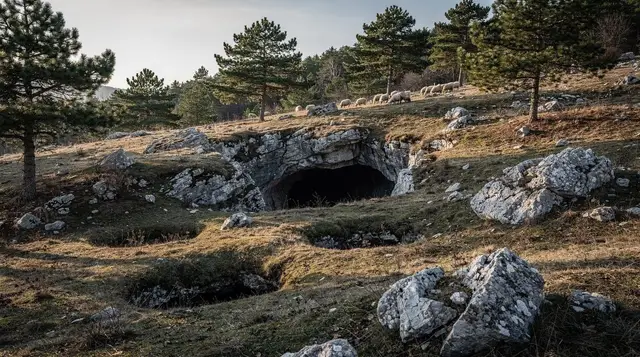
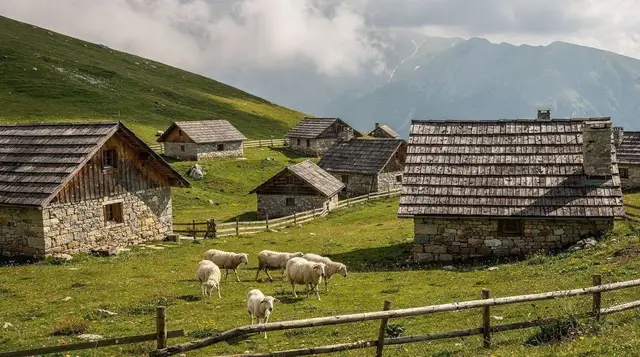
GetYourGuide does not provide a product photo for this activity — the image shows the meeting point, photographed by us.